
The Complete Guide to African Luxury Womenswear:
How to Buy Modern Adire Indigo Dresses Online
There’s a particular kind of confidence that comes from wearing something with a story. African luxury womenswear — from hand-dyed indigo textiles to structured silhouettes rooted in generations of craft — offers exactly that. It’s not just clothing; it’s wearable heritage, reimagined for the modern wardrobe.
If you’ve been searching for ways to buy a modern adire indigo dress online, or you’re simply curious about what sets premium African fashion apart from mass-produced alternatives, this guide walks you through everything worth knowing before you shop: the craftsmanship behind the pieces, how to choose the right one for you, styling ideas, and what to look for in a trustworthy online retailer.
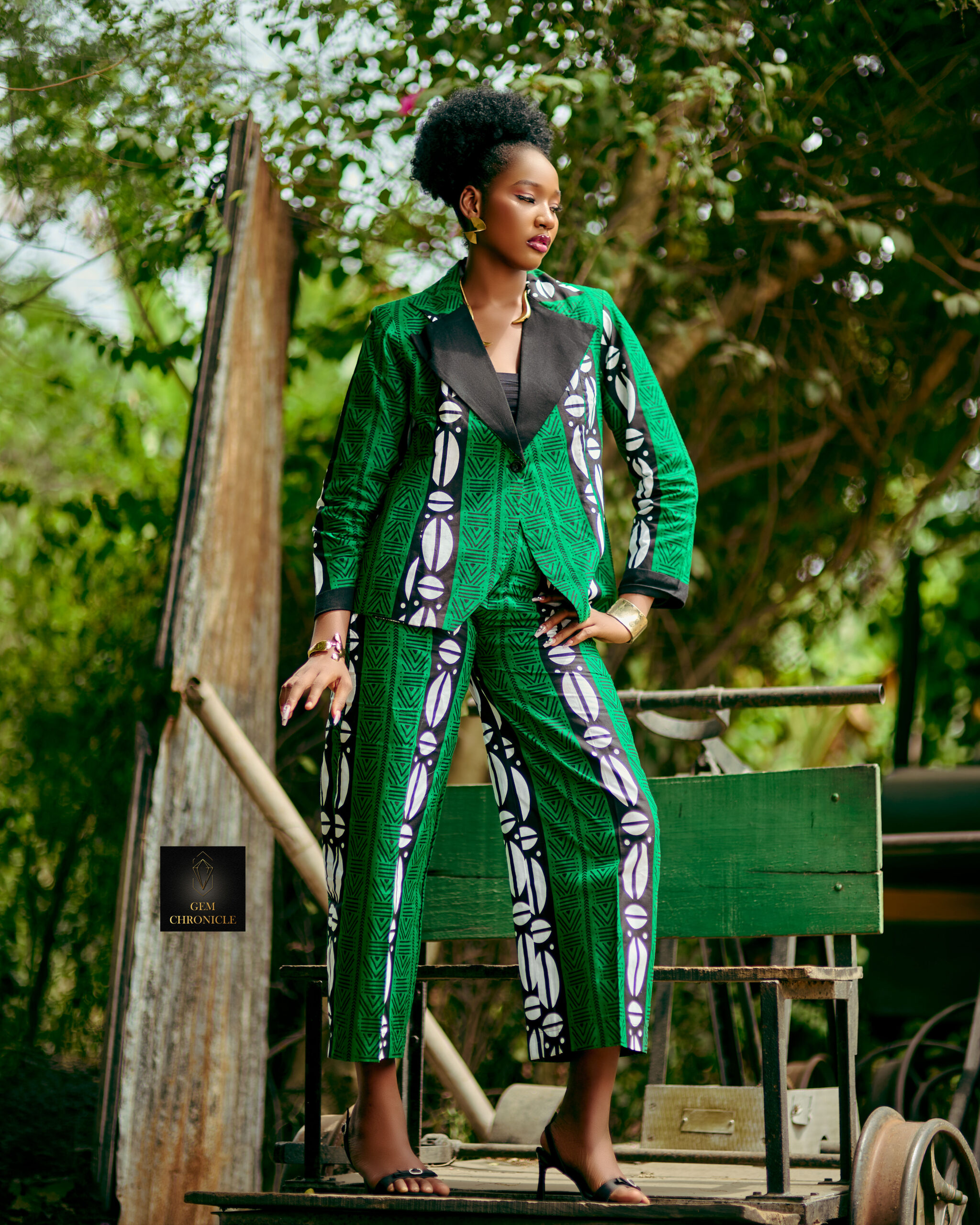
What Makes African Luxury Womenswear Different From Ordinary Fashion
Not all fashion labeled “African-inspired” is created equal. Premium African womenswear typically distinguishes itself through a combination of factors that fast fashion rarely replicates.
Traditional dyeing and textile techniques. Adire, the resist-dyeing technique historically associated with Yoruba textile artisans in southwestern Nigeria, is one of the most recognizable examples. The process involves creating patterns by resisting dye — using methods like tying, stitching, or applying starch paste — before immersing fabric in indigo dye baths. The result is a textile with depth, texture, and a slightly organic variation that machine-printed “African print” fabric doesn’t have. When you buy traditional adire silk clothing online, you’re purchasing a piece connected to a specific textile tradition rather than a generic pattern.
Deliberate design language. Luxury African womenswear often blends traditional textile art with contemporary silhouettes — think a flowing modern maxi dress cut from hand-dyed indigo cloth, or a tailored jacket that reinterprets classic wax-print motifs. This fusion is intentional: it allows the wearer to carry cultural reference points into everyday, modern contexts.
Attention to fabric quality. Because these pieces are often dyed or finished by hand, quality fabric matters more, not less. Silk, cotton, and other natural fibers tend to hold dye better and drape more elegantly than synthetic blends, which is part of why you’ll frequently see silk and cotton as the fabric of choice in adire and other resist-dyed collections.
Cultural respect over costume. The best pieces are designed to honor the origin of a technique or motif rather than reduce it to a trend. This distinction matters both ethically and aesthetically — clothing that respects its cultural roots tends to be better designed, better made, and more meaningful to wear.
If you’re drawn to pieces with this kind of depth, it’s worth taking time to explore the latest African-inspired collections before making a decision, so you can compare craftsmanship and design details side by side.
How to Choose the Right African Womenswear Online
Shopping for African luxury fashion online requires a slightly different eye than shopping for basics. Here’s what to consider.
Occasion. Are you dressing for a formal event, a cultural celebration, a work setting, or everyday wear? Adire and other hand-dyed pieces can be styled up with structured tailoring for formal occasions, or down with relaxed cuts for daily wear. Knowing the occasion first narrows your search considerably.
Personal style. Do you lean toward minimalist and monochrome, or bold and expressive? Indigo adire pieces tend to suit both: the deep blue tones work as a sophisticated neutral, while intricate resist-dye patterns add visual interest without needing additional accessories.
Color preferences. Traditional indigo remains the most recognizable adire colorway, but many modern collections also explore variations in tone and pattern density. Consider what complements your existing wardrobe and skin tone.
Silhouette. African luxury womenswear spans a wide range of shapes — fitted midi dresses, relaxed kaftans, structured wrap styles, and flowing maxi dresses. Choose a silhouette that matches your comfort level and how you plan to wear the piece (layered, standalone, dressed up, or casual).
Fabric. Since fabric affects both comfort and how well a dye technique reads visually, check the product description for fiber content. Silk and cotton are common choices in adire and other resist-dyed pieces because they hold pattern and color well.
Comfort. Luxury shouldn’t come at the expense of wearability. Look for breathable natural fibers and consider the cut — structured pieces can be beautiful but less forgiving for all-day wear, while relaxed silhouettes offer more flexibility.
Versatility. A well-chosen piece should work across more than one context. A well-tailored indigo dress, for instance, can move from daytime to evening with a change of shoes and accessories.
African Fashion Pieces Every Woman Can Add to Her Wardrobe
While personal style always leads the way, a few categories consistently offer strong versatility and staying power:
- An indigo adire dress — a foundational piece that works as a statement item on its own or a canvas for accessories.
- A structured wrap or shirt dress in hand-dyed fabric — office-appropriate yet distinctive.
- A relaxed kaftan or tunic — ideal for warm-weather wear or travel.
- A tailored jacket or blazer in African print or resist-dyed fabric — an easy way to introduce heritage textiles into Western-style outfits.
- Statement separates, such as a wide-leg trouser or wrap skirt in artisanal fabric, for building layered looks.
Starting with one versatile piece — often a dress — is the easiest way to introduce African luxury fashion into an existing wardrobe without it feeling disconnected from what you already wear.
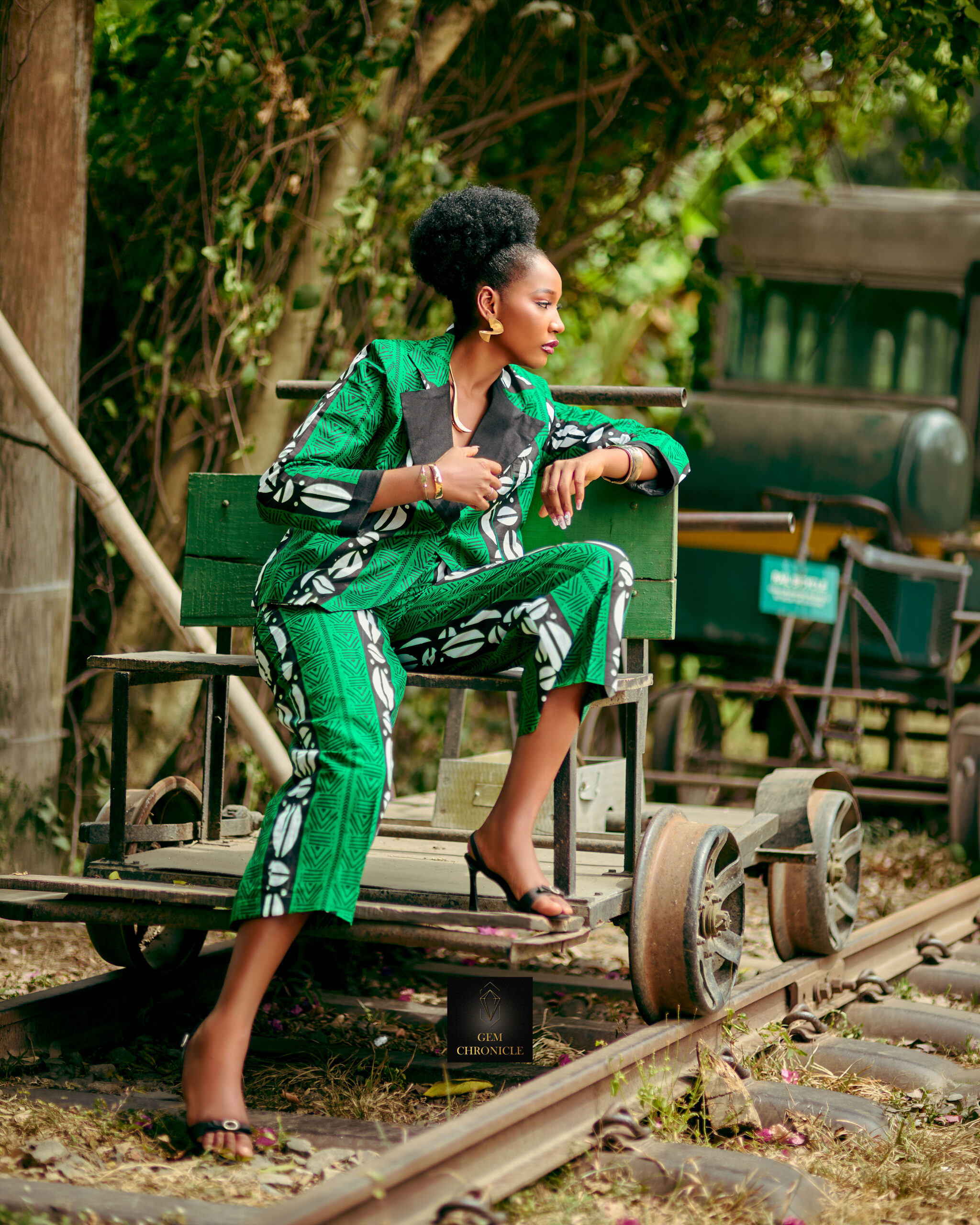
How to Style African Luxury Womenswear
Styling hand-dyed and artisanal pieces well comes down to letting the textile do the talking.
- Keep accessories minimal when the fabric is busy. Intricate adire patterns already carry visual weight, so simple gold or brass jewelry and a structured bag usually work better than competing prints.
- Balance relaxed silhouettes with tailored outerwear. A flowing indigo dress paired with a fitted blazer creates a smart, considered look for work or semi-formal settings.
- Use indigo as a neutral. Because indigo reads as a sophisticated, muted tone, it pairs easily with black, white, camel, and other wardrobe staples.
- Layer thoughtfully for different seasons. A lightweight adire dress can be layered under a coat in cooler months or worn alone in warmer weather, which is part of what makes these pieces genuinely versatile rather than occasion-only items.
- Let footwear shift the formality. The same dress can move from daytime (flats or sandals) to evening (heels, structured bag) with minimal effort.
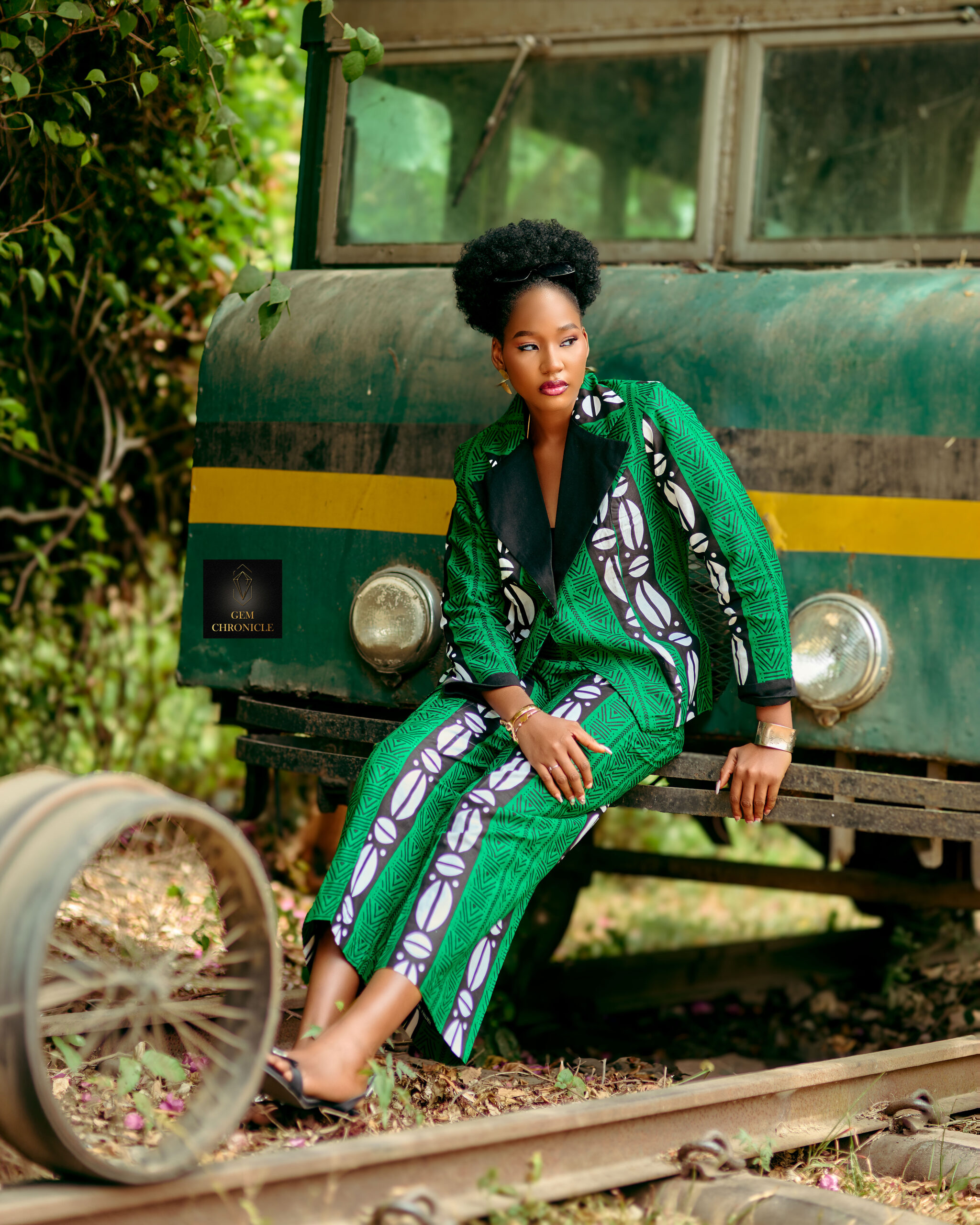
Why Shop Premium African Fashion Online?
Shopping for African luxury womenswear online — rather than relying solely on in-person boutiques — has become increasingly practical for a few reasons.
Broader access to specialized craftsmanship. Adire, indigo-dyeing, and other resist-dye techniques are often produced by artisans and small ateliers rather than mass manufacturers. Online retail makes these specialized pieces accessible to shoppers well beyond the regions where the techniques originated.
Easier comparison shopping. Online storefronts let you compare fabric, silhouette, pricing, and design details across multiple pieces before committing, which is harder to do efficiently in a single physical store.
Detailed product information. A well-run online store will typically provide fabric composition, care instructions, and sizing details upfront, helping you make an informed decision rather than guessing.
Convenience without compromising on discovery. You can browse hand-dyed African luxury dresses, artisanal textile clothing, and heritage-inspired pieces from established African fashion brands at your own pace, without the pressure of an in-store visit.
That said, online shopping also raises the stakes on choosing a retailer you can trust — which brings us to the next question.
How to Find the Best African Online Clothing Store
Not every retailer that markets “African fashion” offers the same level of quality or authenticity. A few things to check before you buy:
- Clear product descriptions. Reputable stores specify fabric content, dyeing technique (if applicable), and country or region of origin where relevant, rather than using vague terms like “African print” for everything.
- Sizing and fit guidance. Look for detailed size charts and measurements, since silhouettes in African luxury fashion can vary more than standard Western sizing.
- Return and exchange policies. A trustworthy retailer will have a clear, accessible policy — an important consideration for garments with unique construction or hand-finishing.
- Transparent pricing and no exaggerated claims. Be cautious of retailers making unverifiable claims about exclusivity, rarity, or origin without specifics to back them up.
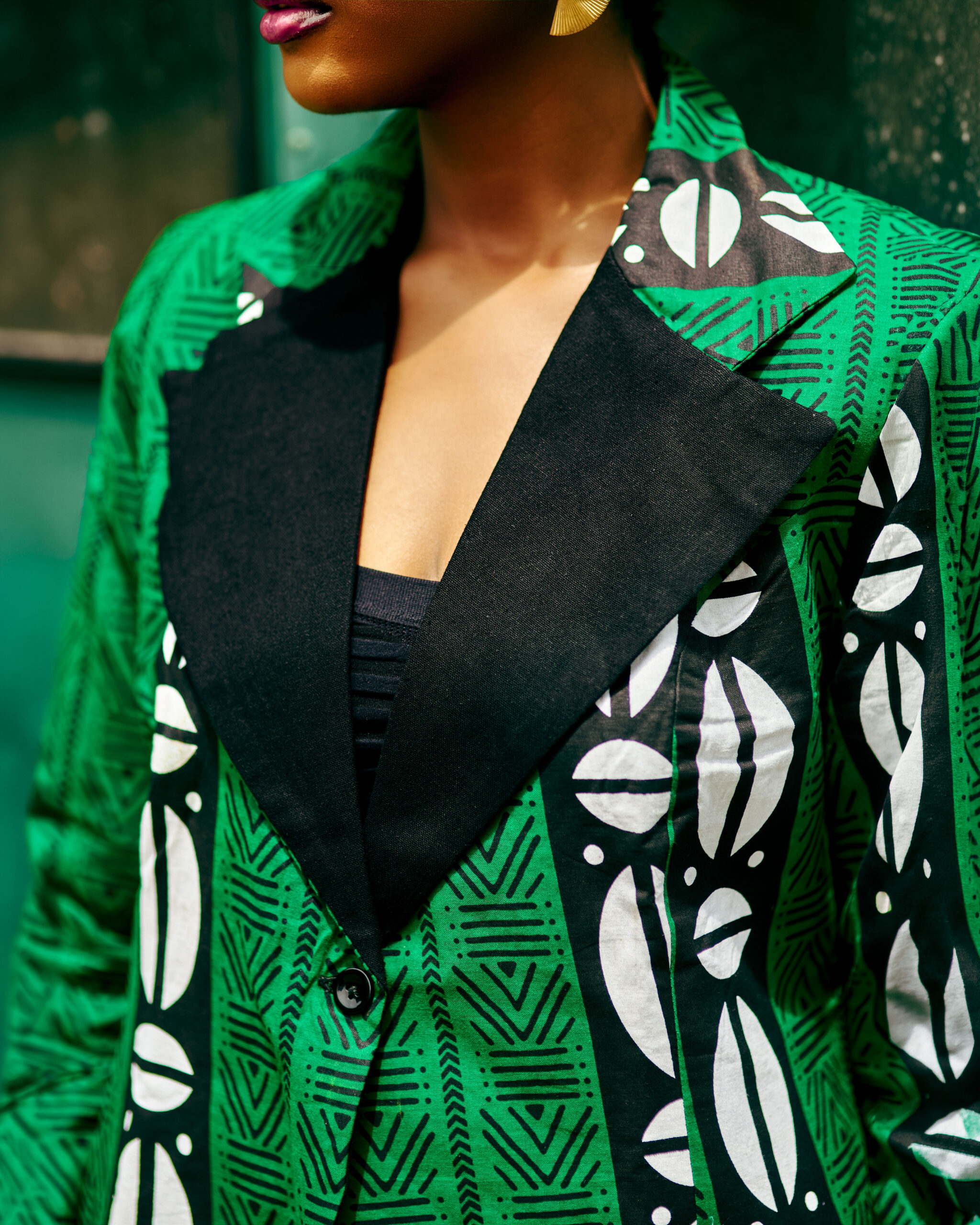
- Visual detail. High-resolution images showing texture, pattern variation, and drape help you understand what you’re actually purchasing, especially for hand-dyed textiles where no two pieces are identical.
Taking a few extra minutes to evaluate a store on these points can save you from a mismatched purchase later — particularly with fabrics like adire, where texture and pattern are central to the appeal.
Why Choose Gem Chronicle for African-Inspired Luxury Fashion?
Gem Chronicle curates African-inspired luxury womenswear for shoppers who want more than a trend piece — pieces designed with attention to fabric, silhouette, and the cultural techniques that inform them, including hand-dyed adire and other artisanal textile clothing.
Our approach centers on giving shoppers the information they need to choose confidently: clear fabric details, sizing guidance, and a curated edit rather than an overwhelming, undifferentiated catalog. Whether you’re looking for a single statement dress or building out a wardrobe of heritage-inspired pieces, the goal is to make it easy to find something that fits both your style and your standards.
If this sounds like the kind of shopping experience you’re after, discover premium womenswear from Gem Chronicle and see how the collection is organized by occasion, silhouette, and fabric.
Tips for Buying African Clothes Online
A few practical habits make online shopping for luxury African fashion smoother:
- Read fabric descriptions carefully — natural fibers like silk and cotton generally hold dye and drape better than synthetic blends.
- Check measurements, not just size labels, since fit can vary between brands and silhouettes.
- Look at multiple product images, including close-ups, to understand texture and pattern before buying.
- Review the care instructions — hand-dyed fabrics often require gentler washing to preserve color and pattern.
- Start with versatile pieces if you’re new to the category, such as a dress that can be dressed up or down.
- Keep an eye on return policies, especially for made-to-order or limited pieces.
When you’re ready to see these principles in action, browse the collection to find your next statement piece and compare fabric, silhouette, and detail across current designs.
Ready to add heritage-inspired luxury to your wardrobe? Explore Gem Chronicle’s African fashion collections and shop now for hand-dyed, artisanal pieces designed for modern, versatile wear.
Frequently asked questions
What is adire fabric, and why is it associated with luxury African fashion?
Adire is a resist-dyeing technique historically practiced by Yoruba artisans in southwestern Nigeria, known for its indigo-dyed patterns created through tying, stitching, or paste-resist methods. It’s associated with luxury fashion because each piece involves manual technique and natural fiber, resulting in texture and variation that mass-printed fabric doesn’t replicate.
- Is all indigo-dyed fabric considered adire? Not necessarily. Adire specifically refers to the traditional Yoruba resist-dye technique; other cultures and regions have their own indigo-dyeing traditions with different names and methods.
- How can I tell if a dress is genuinely resist-dyed versus printed? Genuine resist-dyed fabric typically shows slight irregularities and depth in the pattern, since the dye penetrates unevenly around the resisted areas — something a flat, uniform print won’t show.
- What fabrics work best for adire dyeing? Natural fibers such as cotton and silk are commonly used because they absorb and hold indigo dye more effectively than synthetic materials, and they tend to drape better in finished garments.
How do I choose the right size when buying African luxury womenswear online?
Check the retailer’s specific size chart and measurements rather than relying on standard clothing sizes, since silhouettes in African-inspired fashion — such as wrap styles or relaxed kaftans — can fit differently than typical Western cuts.
- What should I do if I’m between two sizes?
- Review the garment’s silhouette: structured pieces usually benefit from sizing up for comfort, while wrap or relaxed styles are more forgiving.
- Check the fabric composition, since fabrics with some stretch offer more flexibility than rigid weaves.
- Do adire and other hand-dyed pieces run true to size? This varies by garment construction rather than the dyeing technique itself, so always refer to the specific product’s measurements.
How should I style a modern adire indigo dress?
Style it as a foundational piece: pair with minimal, understated jewelry so the pattern remains the focal point, and use footwear and outerwear to shift the look between casual and formal settings.
- Can an adire dress be worn to formal events?
- Yes — pairing a well-tailored adire dress with structured accessories, heels, and refined jewelry can elevate it for formal or semi-formal occasions.
- For daytime or casual wear, flats and minimal accessories keep the same dress relaxed and versatile.
- What colors pair well with indigo adire pieces? Indigo functions well as a neutral, so it pairs easily with black, white, camel, and other muted tones without competing for attention.
What's the difference between African print clothing and artisanal African textile clothing?
African print generally refers to machine-printed wax or fancy print fabric with repeating patterns, while artisanal textile clothing — like adire — involves hand techniques such as resist-dyeing, tie-dyeing, or embroidery, resulting in more texture, variation, and craftsmanship per piece.
- Is one automatically more expensive than the other? Pricing depends on the specific garment, brand, and level of hand-finishing involved rather than the category alone, so it’s worth comparing details rather than assuming.
- Can the two be combined in one outfit? Yes — many modern wardrobes mix both, using artisanal pieces as statement items and printed pieces as more casual, everyday layers.
What should I look for to make sure an online African fashion retailer is trustworthy?
Look for clear fabric and construction details, transparent sizing information, an accessible return policy, and product photography detailed enough to show texture and pattern accurately.
- Should I be cautious of vague product descriptions?
- Yes — descriptions that don’t specify fabric content or technique make it harder to judge quality before purchase.
- Detailed descriptions, including fiber content and care instructions, are generally a sign of a more transparent retailer.
- Does a retailer need to disclose where garments are made? Reputable retailers typically provide relevant sourcing or origin information where it’s meaningful to the product, helping shoppers understand what they’re buying.